November 13, 2026
Steel remains the foundational backbone of modern manufacturing and heavy infrastructure due to its strength, versatility, and cost-effectiveness. In demanding industrial environments, however, machinery components inevitably endure friction, corrosive chemicals, cyclic fatigue, and mechanical wear over prolonged operation. When essential machinery parts deteriorate, facilities face a difficult choice between costly component replacement and restorative engineering. This dilemma leads many maintenance managers to explore specialized thermal processing. Engaging professional commercial heat treating services provides a proven metallurgical pathway to restore dimensional integrity, elevate mechanical properties, and extend the working lifespan of worn steel components.
Understanding the Fundamentals of Industrial Heat Treatment
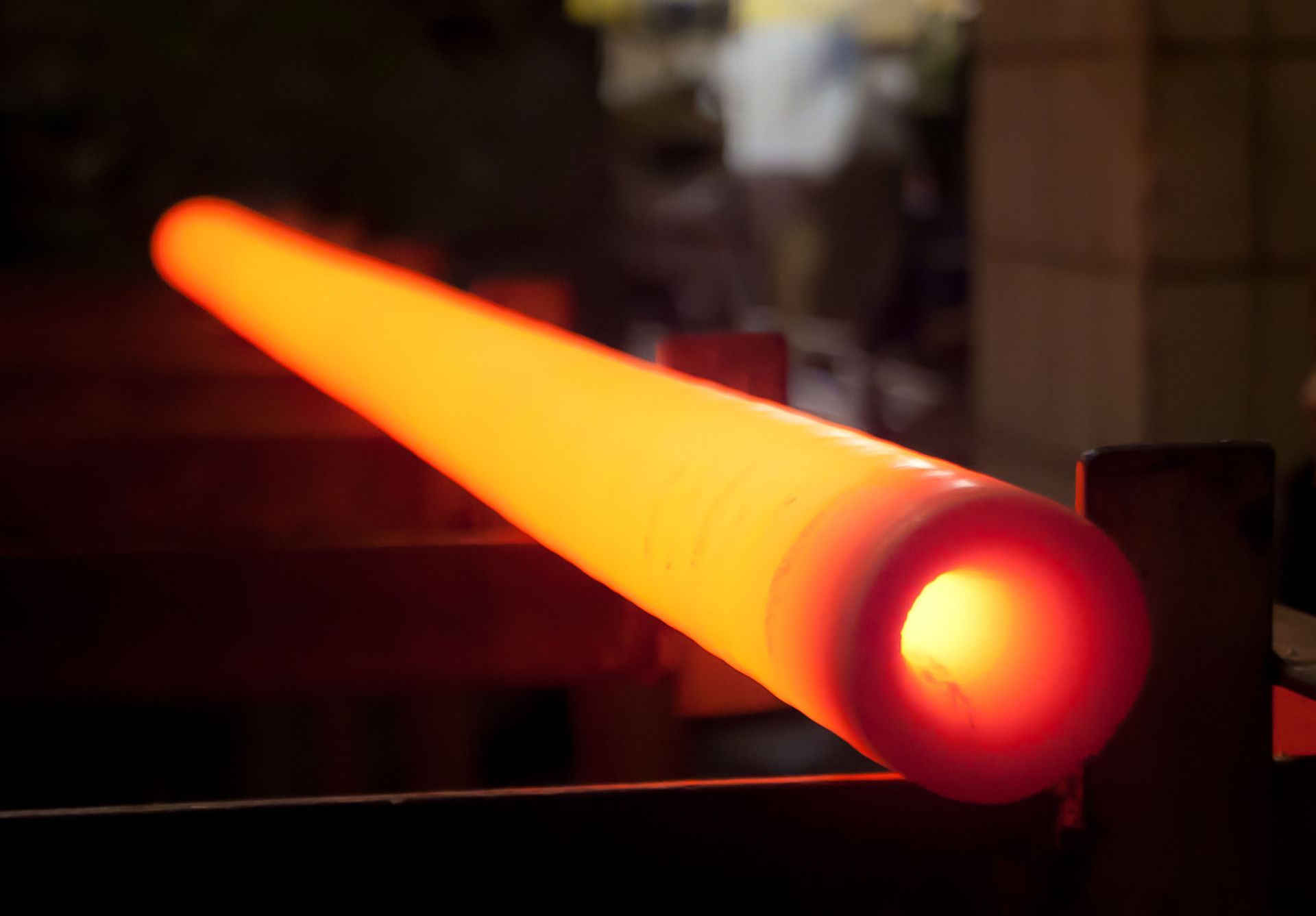
Industrial thermal processing involves heating steel to precise transformation temperatures, holding it for specified dwell periods, and cooling it at controlled rates to alter its crystalline structure. Rather than applying a superficial coating, this process reorganizes internal grain structures to achieve targeted hardness, ductility, tensile strength, and impact resistance. According to Grand View Research, steel segment led the market with the largest revenue share of 80.0%, demonstrating the widespread reliance on steel across industrial sectors and the vital role thermal processing plays in preserving critical metal assets.
Successfully revitalizing worn components requires deep metallurgical knowledge, since chemical composition and previous operational stresses dictate how steel responds to thermal cycling. When components undergo mechanical degradation, partnering with seasoned providers of commercial heat treating services ensures that processing temperatures and soaking durations are calibrated to avoid thermal shock. By tailoring the heating and quenching sequence to the specific alloy grade, engineers restore surface hardness without making the core brittle.
Exploring Core Thermal Modification Techniques
Several established thermal methods allow industrial facilities to improve or reclaim worn mechanical components:
- Annealing: Heats steel above its critical transformation point followed by slow furnace cooling. This relieves residual stresses, softens the workpiece, and improves machinability prior to restorative grinding or welding.
- Quenching and Tempering: Heats the alloy to an austenitizing range followed by rapid cooling in oil, water, or polymer to create hard martensite. Subsequent tempering reheats the part to a moderate temperature, relieving extreme brittleness and imparting balanced toughness.
- Case Hardening: Enriches the outer surface with carbon or nitrogen to produce a hard, wear-resistant outer shell while retaining a ductile core. This technique is indispensable for repairing rotating elements like worn gears, shafts, and splines.
Choosing among these options requires evaluating operating environments, mechanical tolerances, and past operational fatigue. Experienced providers of commercial heat treating services analyze each part's physical condition to recommend the most effective thermal process.
Transforming Steel Microstructures for Wear Resistance
The performance of steel is dictated by its underlying microstructure. Under high operational loads, original microstructures like ferrite and pearlite can degrade, suffer plastic deformation, or develop microcracks. Controlled thermal cycling transforms these vulnerable structural phases into robust configurations like tempered martensite or bainite.
Martensitic transformations achieve exceptional surface hardness, preventing gouging and abrasive scouring in high-friction machinery. Conversely, bainitic structures offer superior fatigue strength and impact absorption, protecting components that endure continuous shock loads. By utilizing advanced commercial heat treating services, industrial manufacturers can re-engineer the microstructure of distressed steel components, reversing structural fatigue and preparing the metal to resist future wear.
Weighing Industrial Benefits and Operational Challenges
Deploying thermal techniques to restore steel machinery components delivers substantial operational benefits. Primary advantages include enhanced surface hardness, superior fatigue endurance, reduced machine downtime, and major cost savings over buying newly manufactured assemblies. Thermal surface modifications also lower friction coefficients, extending the operational life of sliding interfaces.
However, heat treating worn parts presents technical risks if executed without rigorous controls. Rapid quenching can induce quench cracking or distortion, especially in components with uneven wear or asymmetrical geometries. High-temperature cycles also demand significant energy and precise atmosphere regulation to prevent surface decarburization. Relying on accredited commercial heat treating services mitigates these concerns through computer-monitored furnaces, custom fixtures, and precise quenchant temperature control.
Identifying Primary Causes of Component Wear
To determine whether heat treatment can successfully restore a steel component, engineers must first diagnose the root cause of surface deterioration:
- Abrasive Wear: Occurs when hard particulate contaminants, grit, or metal burrs slide against steel surfaces, cutting microscopic grooves and eroding metal volume.
- Adhesive Wear: Develops when high pressure and friction cause localized micro-welding between contact surfaces, tearing away metal fragments when relative motion continues.
- Surface Fatigue: Arises from cyclic mechanical loading, which nucleates subsurface microcracks that gradually propagate to the surface, causing pitting and spalling.
- Corrosive Wear: Happens when moisture, acids, or harsh chemicals attack the steel surface, weakening the alloy matrix and accelerating mechanical erosion.
Pinpointing these degradation mechanisms allows metallurgical specialists to tailor thermal solutions that directly counter specific operating stresses.
Evaluating Diagnostic and Inspection Procedures
Before subjecting worn steel components to elevated furnace temperatures, thorough non-destructive evaluation is critical to determine if restoration is viable. Visual inspections identify obvious physical distortions and surface wear patterns, but deeper analytical techniques are necessary for severe industrial applications.
Ultrasonic testing reveals internal voids, hidden cracks, and deep fatigue damage that could expand catastrophically during heating. Magnetic particle inspection detects fine surface fractures in ferromagnetic steels. Metallographic analysis and microhardness testing assess case depth and structural integrity. Leading providers of commercial heat treating services employ these diagnostic procedures to ensure that candidate components possess sufficient structural health for thermal rehabilitation.
Analyzing the Impact of Material Composition
A component's chemical composition determines its response to thermal processing. Carbon content governs maximum achievable hardness; higher carbon content facilitates greater surface hardening but increases the risk of quench cracking. Alloying elements such as chromium, molybdenum, nickel, and vanadium enhance hardenability, corrosion resistance, and high-temperature strength.
In low-alloy components, surface treatments like flame hardening, carburizing, or nitriding introduce necessary surface wear resistance without degrading interior ductility. Understanding alloy metallurgy prevents failures during processing and ensures that thermal restoration matches the mechanical demands of the end application.
Implementing Proactive Wear Prevention Strategies
Preventing premature steel component wear requires combining robust material selection, intelligent engineering design, and proactive maintenance. Engineers can reduce localized contact stresses by avoiding sharp interior radii, optimizing fillet transitions, and specifying precision surface finishes. Implementing consistent lubrication schedules minimizes friction and isolates metal surfaces from ambient moisture.
Pairing these proactive design strategies with professional commercial heat treating services creates components engineered for maximum longevity. Routine vibration monitoring, periodic oil analysis, and planned inspection intervals allow maintenance crews to identify minor surface wear early, enabling cost-effective thermal reconditioning before unrecoverable damage occurs.
Restoring Distressed Parts Through Thermal Processing
Can heat treating repair worn steel components? The answer depends on the nature of the damage. Thermal processing cannot replace lost metal mass or heal severe mechanical fractures; components suffering from deep structural loss often require preliminary weld cladding or thermal spraying to restore physical dimensions.
Once underlying dimensions are re-established, commercial heat treating services relieve weld-induced stresses, normalize uneven microstructures, and harden working surfaces. For components suffering from micro-fatigue, minor galling, or surface softening without geometric loss, localized flame hardening, induction hardening, or re-tempering can fully restore optimal hardness and mechanical reliability.
Selecting the Optimal Industrial Heat Treating Partner
Successfully rehabilitating worn steel machinery requires advanced processing equipment, deep metallurgical expertise, and strict quality control. From heavy industrial gears, machine ways, and roll shafts to specialized manufacturing dies, precision thermal processing breathes new life into critical assets, protecting industrial facilities against prolonged downtime and replacement costs. If your facility needs to restore worn machinery, improve surface wear resistance, and extend the operational life of heavy equipment, contact Tri-State Flame Hardening Co to get the specialized thermal processing and precision hardening solutions your operation depends on.