November 12, 2026
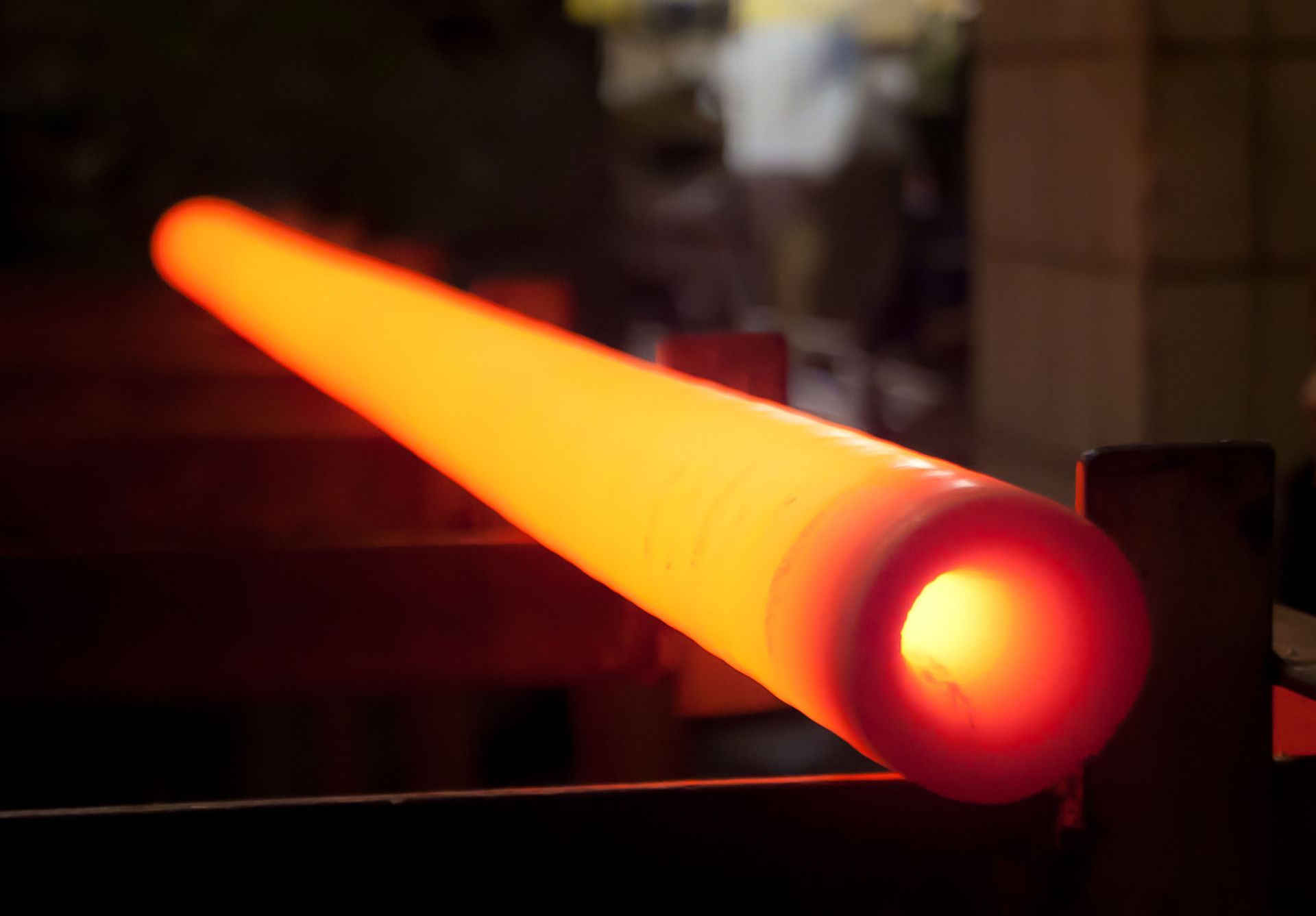
Components that grind, roll, turn, and carry heavy loads all share one problem: their surfaces wear down long before the rest of the part does. Flame hardening addresses that by heating the surface of a steel part with a high-temperature flame and then rapidly cooling it, creating a hard outer layer while the core stays tough. It's a practical way to extend the life of parts that take a beating, and it works on shapes and sizes that other processes can struggle with. Choosing the right treatment starts with knowing where it fits best. Below, we'll cover 7 common industrial applications for flame hardening and how a professional flame hardening service like ours can help you get more life out of your equipment.
1. Strengthening Gears and Gear Teeth
Gears face constant contact, pressure, and friction, which makes the teeth one of the first places wear shows up. Flame hardening can harden the tooth surfaces while leaving the core of the gear tough enough to handle shock loads. The depth of the hardened layer matters, and it depends on how the heat is applied. According to Engineer Fix, a slower rate allows heat to penetrate deeper, resulting in a thicker hardened case, typically ranging from 1 to 6 millimeters. That control lets the treatment be matched to how a gear is used and what it's made of. Large gears and ring gears are common candidates, since they're costly to replace and often too big for other methods. Heat can also be focused on the tooth flanks, which is where most of the wear happens, so the rest of the gear isn't treated more than it needs to be.
2. Toughening Shafts for Heavy Duty Work
Shafts transfer power, and they're often subject to wear at bearing surfaces, keyways, and seal areas. Because shafts are cylindrical, they're well suited to spin and progressive flame hardening, where the part rotates or the flame travels along its length so the hardness is consistent. That helps resist wear and fatigue without making the whole shaft brittle. Long shafts can also be treated in sections, which keeps the process manageable. Results depend on the steel and its carbon content, so it helps to confirm the material first. Our flame hardening service handles shafts using several methods, so we can match the approach to the part in front of us. Treating shafts in place can also save the time and cost of pulling a large machine apart, which is where our mobile services come in.
3. Protecting Rollers From Constant Wear
Rollers carry material, support loads, and rotate under pressure day after day. Their surfaces can wear, flatten, or score over time, which affects the quality of whatever runs across them and can lead to downtime. Hardening the outer surface helps the roller keep its shape and resist wear, while the core stays strong. That balance is what lets a roller handle both abrasion and the weight it carries. Rollers are also round and often long, which makes them natural candidates for rotating or progressive treatment. Restoring or strengthening a roller is often more practical than replacing it, especially when it's large or custom made. Many industrial operations rely on this process to keep production lines running longer between replacements. Hardening can also be paired with vibratory stress relief when a roller needs to stay straight and stable under load, which helps it perform the way it should.
4. Hardening Bearings and Circular Components
Bearings and other circular components rely on hard surfaces to carry loads and resist rolling contact. Flame hardening is well suited to rings, races, and similar rotational parts because the heat can be applied evenly around the circumference. Spin hardening, where the part turns while it's heated, helps produce a uniform result. That consistency is important in parts where an uneven surface could lead to premature failure. It also means the part is more likely to wear evenly over time. Hardness requirements vary widely by application, so specifications should be confirmed before treatment begins. Choosing a flame hardening service with experience in circular parts helps you get the surface properties your equipment needs to run reliably. Talking through the part's material, size, and working conditions up front helps set realistic expectations for the results.
5. Extending the Life of Molds and Plates
Molds and plates are exposed to abrasion, impact, and repeated use, and replacing them can be expensive. Flame hardening can strengthen working surfaces, helping them hold up to wear for longer. For tooling that runs every day, even a modest gain in wear resistance can mean fewer interruptions and fewer replacement orders. It's often used on flat or irregular surfaces where other methods may not fit, and the heat can be directed to specific areas that see the most contact. That selective approach leaves the rest of the part as it was. Distortion can be a concern with flat parts, so planning matters. Fixtures, heat control, and the order of treatment all play a role in how well a flat part holds its shape. Our flame hardening service also offers precision straightening, which can help bring a part back into shape after heat treatment when needed.
6. Supporting Agricultural Equipment
Farm equipment works in dirt, grit, and moisture, which makes wear a constant issue. Gears, shafts, rollers, and other drive components all take punishment during planting and harvest seasons. Hardening surfaces that see the most abrasion can help parts last longer between replacements, which matters when downtime during a busy season is costly. Mobile service can also be a benefit for equipment that's large or hard to move, since technicians can bring the process to the job site. Our flame hardening service tailors its work to the agricultural community, and we understand how important it is to keep equipment running when the work needs to get done. Parts that are worn but not yet failing are often the best candidates, since treating them early can prevent breakdowns later.
7. Treating Large and Irregularly Shaped Parts
Some parts simply don't fit into standard furnaces or processing equipment. Large, long, or irregularly shaped components, such as beams, plates, pipes, and grates, can be difficult to treat in other ways. Flame hardening is more flexible, since the heat is applied directly to the area that needs it. Combination, progressive, spin, and stationary methods can be used depending on the geometry of the part. That flexibility makes the process valuable across industries that include automotive, aerospace, military, maritime, and medical manufacturing. Our flame hardening service also includes heat treating options like tempering, annealing, stress relief, and normalizing, which can complement hardening when a part calls for them. Because requirements differ from one job to the next, we talk through each project before work begins.
At Tri-State Flame Hardening Co, we're a locally owned and family-operated company that has been serving customers from Warren, Michigan, and throughout the Tri-State Area since 1976. We're ISO 9001:2015 certified, and we offer flame hardening, precision straightening, vibratory stress relief, heat treating, and mobile on-site services. Our team works with gears, shafts, rollers, bearings, and large or irregularly shaped parts for industries including automotive, agriculture, aerospace, and more. We offer free quotes and are known for our short turnaround times. Contact Tri-State Flame Hardening Co today to request your free quote.